
A collision with an 80,000-pound tractor-trailer is not just a bigger version of a car wreck—it is a different kind of legal case entirely. Truck accidents in Georgia involve federal regulations, multiple potentially liable companies, and aggressive insurance defense teams that get to work within hours of the crash. If you or a loved one was hurt by a commercial truck on I-20, Highway 27, or anywhere in West Georgia, understanding what makes these cases different can help you protect your rights.

For a free consultation with a Carrollton personal injury attorney, call Met Lane & Associates, P.C. at 770-834-4107.
Why Truck Accidents Are More Complex Than Car Crashes
Commercial trucking is a heavily regulated industry, and the companies behind these trucks carry large insurance policies—and the legal teams to match. The size and weight of a tractor-trailer also mean that crashes tend to cause catastrophic injuries or death. More moving parts, more money at stake, and more sophisticated opposition all combine to make truck accident claims significantly more involved than a typical car accident.
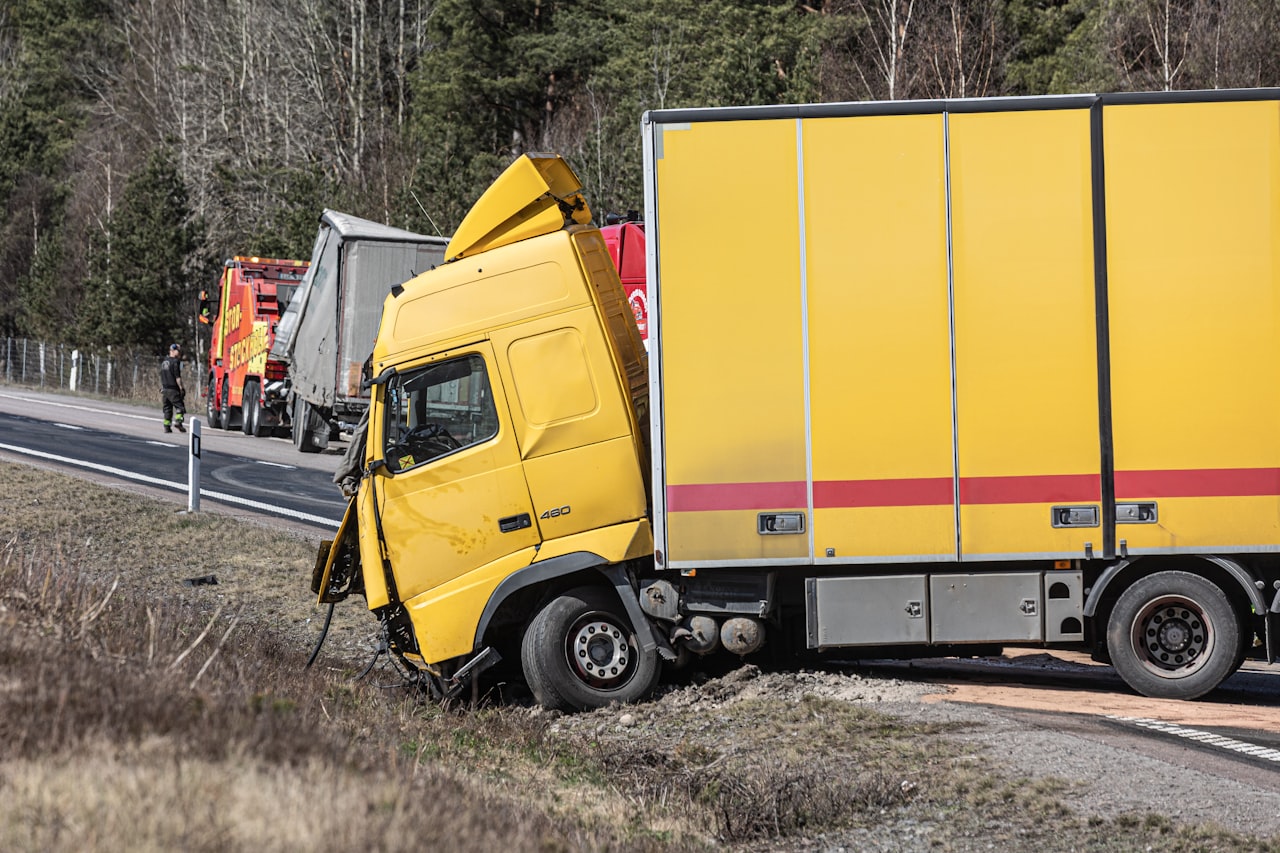
Multiple Parties May Be Liable
In a car wreck, usually one driver is at fault. In a truck case, several parties may share responsibility, including:
- •The truck driver—for fatigue, distraction, impairment, or unsafe driving.
- •The trucking company—for negligent hiring, poor training, or pressuring drivers to break the rules. Under the doctrine of respondeat superior, an employer is generally responsible for the negligence of an employee acting within the scope of the job.
- •The cargo loading company—for improperly secured or overweight loads.
- •A maintenance provider—for failing to inspect or repair critical components like brakes.
- •The truck or parts manufacturer—for defective equipment.
Identifying every responsible party matters, because it can mean access to more than one insurance policy to fully cover your losses.
Federal Trucking Rules Can Make or Break Your Case
Commercial trucks are governed by the Federal Motor Carrier Safety Administration (FMCSA) under Title 49 of the Code of Federal Regulations. These rules cover driver qualifications, vehicle maintenance, cargo securement, drug and alcohol testing, and hours of service—which generally limit a driver to 11 hours of driving after 10 consecutive hours off duty, within a 14-hour window.
When a driver or carrier violates a safety regulation, that violation can be powerful evidence. Under Georgia’s negligence per se rule (O.C.G.A. § 51-1-6), breaking a safety statute or regulation can allow a court to presume negligence—strengthening your claim considerably.
Critical Evidence Disappears Quickly
Trucks carry “black box” data recorders that capture speed, braking, and hours of operation, and trucking companies keep driver logs, inspection records, and dispatch records. Much of this evidence can be lawfully erased or overwritten on a schedule. An attorney can send a spoliation (evidence preservation) letter right away to stop that from happening—another reason to act fast after a truck crash.
Compensation You May Be Entitled To
Victims of a serious truck accident may recover money for medical bills and future care, lost wages and reduced earning capacity, pain and suffering, and property damage. When a crash is fatal, surviving family members may pursue a wrongful death claim.
Don’t Miss the Deadline
In Georgia, you generally have two years from the date of the crash to file a personal injury lawsuit (O.C.G.A. § 9-3-33). Because truck cases require fast evidence preservation and detailed investigation, it is wise to contact a lawyer long before that deadline. Learn more in our guide to the Georgia accident statute of limitations.

Frequently Asked Questions
How is a truck accident claim different from a car accident claim?
Truck cases involve federal safety regulations, multiple potentially liable companies, larger insurance policies, and time-sensitive evidence like the truck’s data recorder and driver logs. They typically require a more thorough investigation than a standard car wreck.
Who can be held responsible for a truck accident in Georgia?
Depending on the facts, the driver, the trucking company, a cargo loader, a maintenance provider, or a parts manufacturer may share liability. Often more than one party is responsible.
How long do I have to file a truck accident claim?
Generally two years from the date of the accident under O.C.G.A. § 9-3-33, but evidence should be preserved immediately, so do not wait to seek legal help.
Injured in a Truck Accident? Get a Free Consultation
Truck accident victims should not have to take on a trucking company and its insurer alone. Met Lane & Associates has the experience to investigate these complex cases and fight for the full compensation you deserve—with no upfront fees for personal injury clients. Call 770-834-4107 or visit 619 Newnan St, Carrollton, GA 30117.