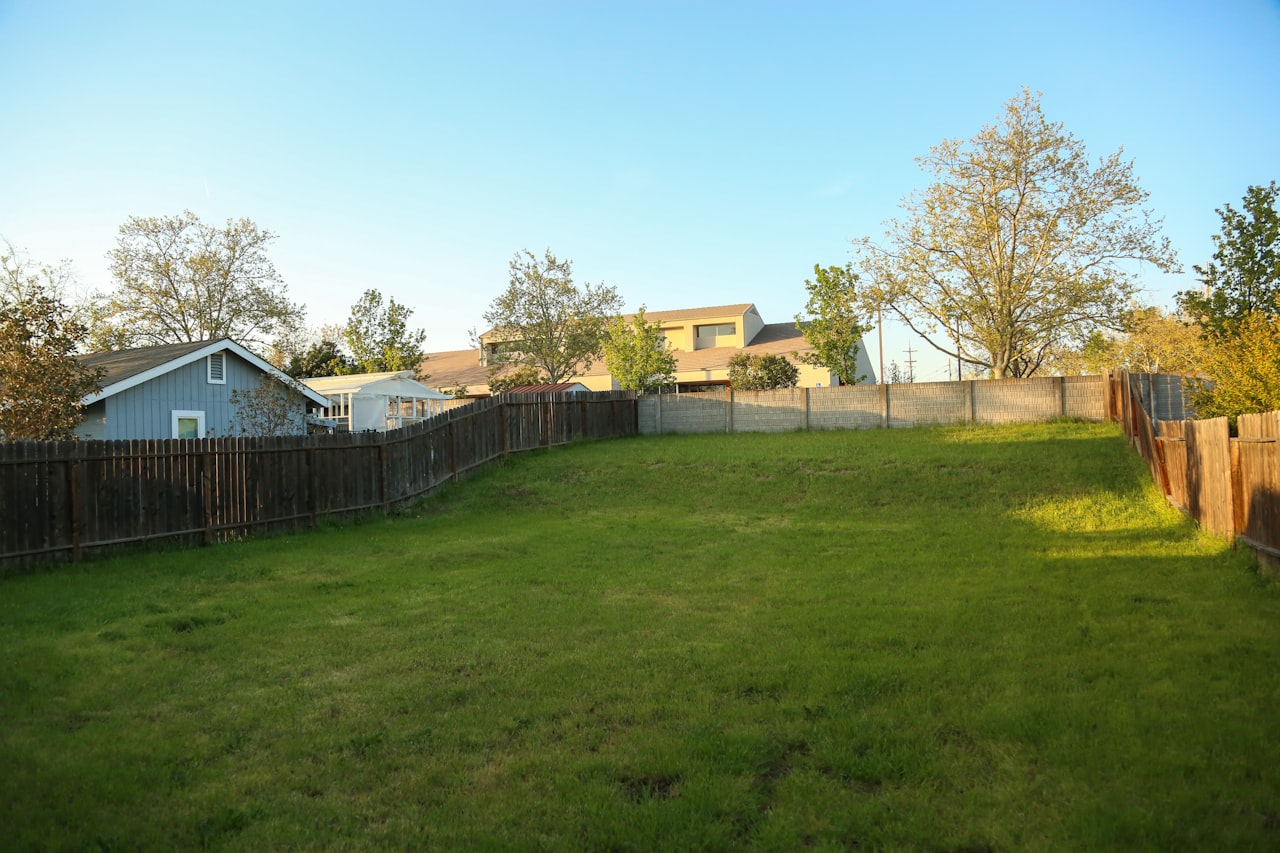
Few disputes are as personal—or as stubborn—as a fight over where one property ends and another begins. A misplaced fence, a driveway that creeps over the line, or a decades-old assumption about a boundary can turn neighbors into adversaries. If you are facing a property line dispute in Carrollton or West Georgia, here is how Georgia law approaches these conflicts.
For help resolving a boundary dispute, call Met Lane & Associates, P.C. at 770-834-4107.
Common Causes of Boundary Disputes
Property line conflicts often arise from fences or structures built in the wrong place, conflicting or outdated surveys, encroachments like sheds, driveways, or landscaping, and long-standing informal agreements that were never put in writing. What seems like a small strip of land can carry real value—and real legal consequences.
Start With a Survey
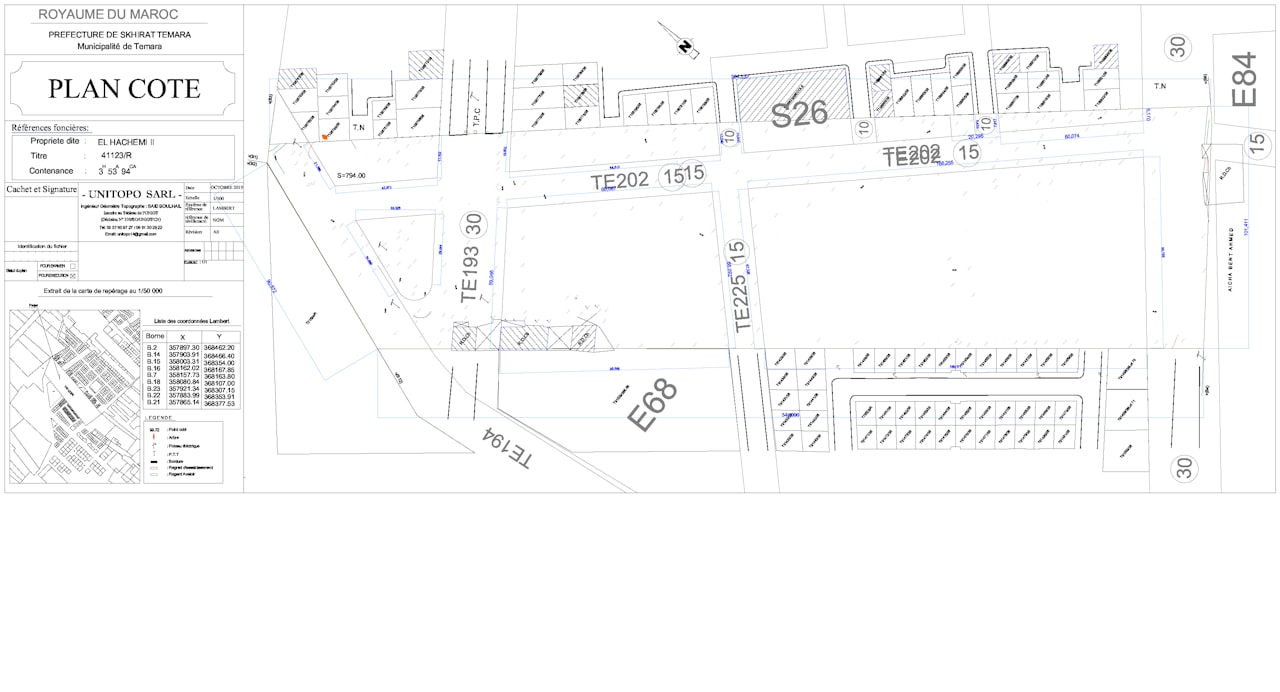
The foundation of almost every boundary case is a professional land survey. A licensed surveyor compares the legal descriptions in the deeds to the physical features on the ground to determine where the true boundary lies. A current survey can resolve many disputes on its own—or provide the essential evidence if the matter goes further.
Boundary by Acquiescence
Georgia law recognizes that a boundary can be established by acquiescence. Under O.C.G.A. § 44-4-6, acquiescence for seven years—through the acts or declarations of adjoining landowners—can establish a dividing line, even if it differs from the original deed description. This doctrine generally applies where the true line was uncertain or in dispute and the neighbors treated a particular line as the boundary.
Adverse Possession
In some cases, a person who openly uses land that is not technically theirs can gain legal title through adverse possession. In Georgia, this generally requires possession that is actual, open, notorious, continuous, and exclusive for 20 years—or for 7 years if the person has “color of title” (a written document that appears to give them ownership). These cases are fact-intensive and demanding to prove.
Quiet Title Actions
When ownership of a strip of land is genuinely in question, a party can file a quiet title action in superior court (O.C.G.A. § 23-3-60 and following). This lawsuit asks the court to determine, once and for all, who owns the disputed property—clearing up the title so it can be bought, sold, or built on with confidence.
How to Resolve a Boundary Dispute
Many boundary disputes can be settled without a trial—through a survey, a written boundary line agreement, negotiation, or mediation. When those efforts fail, litigation may be necessary to protect your property rights. An attorney can help you choose the most efficient path for your situation.

Frequently Asked Questions
How do I prove where my property line is?
The best evidence is a current professional land survey comparing your deed’s legal description to the features on the ground. It can resolve many disputes by itself.
Can my neighbor take part of my land just by using it?
Potentially, through adverse possession—generally after 20 years of open, continuous, exclusive use (or 7 years with color of title)—or through boundary by acquiescence after 7 years. These claims are hard to prove and fact-specific.
What is a quiet title action?
It is a lawsuit in superior court that asks the court to determine ownership of disputed property and clear up the title.
Caught in a Property Line Dispute? Get a Free Consultation
Protecting your property is worth doing right. Met Lane & Associates can review your survey and deeds and help you resolve the dispute—call 770-834-4107 or visit 619 Newnan St, Carrollton, GA 30117.